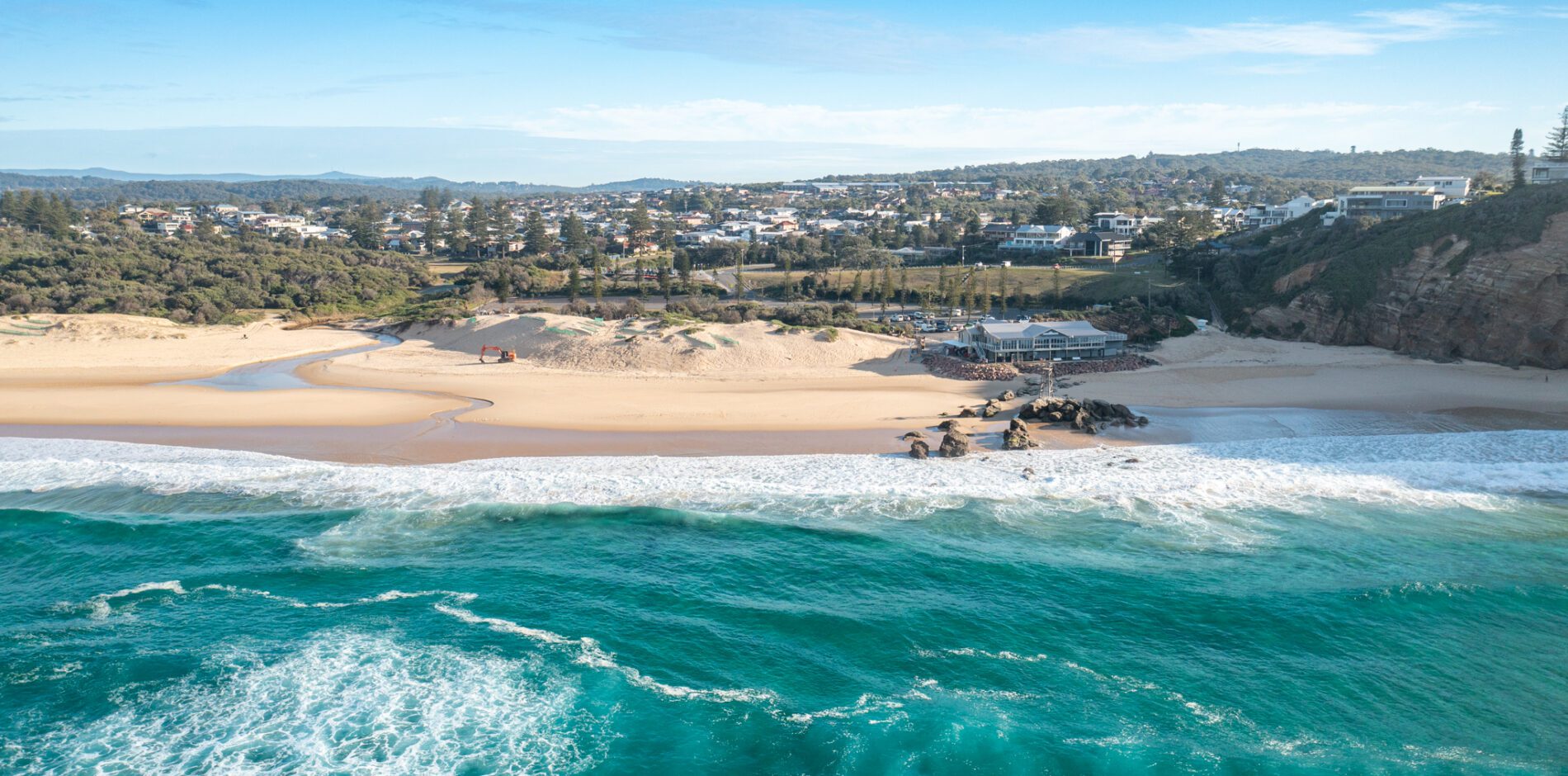
Construction and demolition is the largest waste stream in NSW. In 2023–24, approximately 12 million tonnes of construction and demolition waste was generated, with around 9.6 million tonnes recycled. This means approximately 2.4 billion kilograms of construction and demolition material was not recycled in a single year, highlighting the significant opportunity to keep usable construction materials circulating at their highest value. (Source: NSW Environment Protection Authority, NSW State of the Environment – Waste and Recycling).
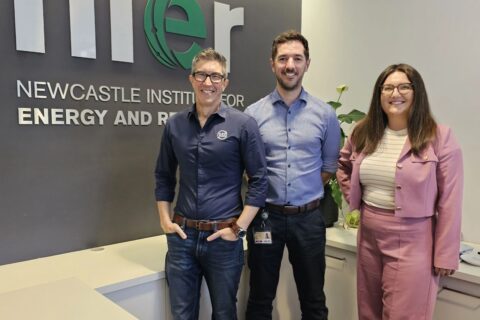
CELL supported Superyard to explore how surplus construction materials and organisational assets could be better identified, tracked and reused rather than becoming waste. Through collaboration between CELL, Lake Macquarie City Council and the University of Newcastle, Superyard was connected with research expertise and the TRaCE R&D Voucher Program to further develop its Superyard – SuperGroup internal facing organisation sharing platform.
Working with University of Newcastle researcher Dr Josephine Vaughan, the research explored ways to provide organisations with meaningful data about surplus materials and the environmental benefits of choosing reuse. This included investigating material source, embodied emissions and other environmental impact indicators that could support more informed circular procurement and material management decisions.
Lake Macquarie City Council and Fulton Hogan participated as pilot partners, providing real-world insights into how organisations from both a public entity to industry could use an internal marketplace to identify, manage and redistribute surplus construction materials and assets. The SuperGroup platform was developed to help organisations improve visibility of surplus resources, reduce unnecessary purchasing and enable materials to be reused internally or traded externally.
The collaboration demonstrates CELL’s role in connecting industry, government and university research to test and accelerate practical circular economy solutions.
Superyard’s work was also showcased through the national TRaCE program as an example of research commercialisation supporting the circular economy. The University of Newcastle highlighted Superyard’s work to connect businesses, redistribute surplus materials and develop new methods for quantifying the impacts and benefits of material reuse.
Learn more
Superyard – SuperGroup for organisations
TRaCE R&D Voucher Project Announcement – Superyard
University of Newcastle – National TRaCE Showcase spotlights clean energy commercialisation